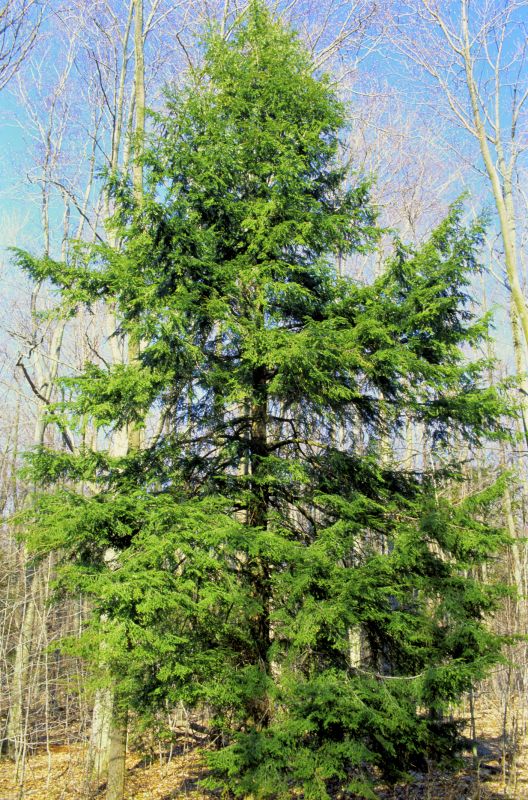
Hemlock Removal in Wilmington, DE
Hemlock removal services involve the careful elimination of hemlock trees that may pose safety risks, interfere with property development, or negatively impact the landscape. These services typically cover projects such as removing hazardous or unwanted hemlocks, clearing space for new landscaping, or managing overgrown trees that could threaten structures or power lines. Property owners should consider factors like the size and location of the trees, potential impacts on surrounding vegetation, and any local regulations or permits required before requesting this service.
Homeowners interested in hemlock removal often want to understand the scope of work involved, including the methods used for safe and efficient removal, as well as any cleanup or disposal processes. It is also helpful to know if the service can accommodate specific project needs, such as partial removal or stump grinding, and to clarify any concerns about property safety or landscape preservation. Gathering this information can ensure the project aligns with the property’s needs and future plans.
Many property owners in Wilmington, DE look into Hemlock Removal for repairs, replacements, upgrades, and appearance-related improvements.
Benefits Of Hemlock Removal
Removing hemlocks can improve the safety and appearance of your property.
Signs Hemlocks Need Removal
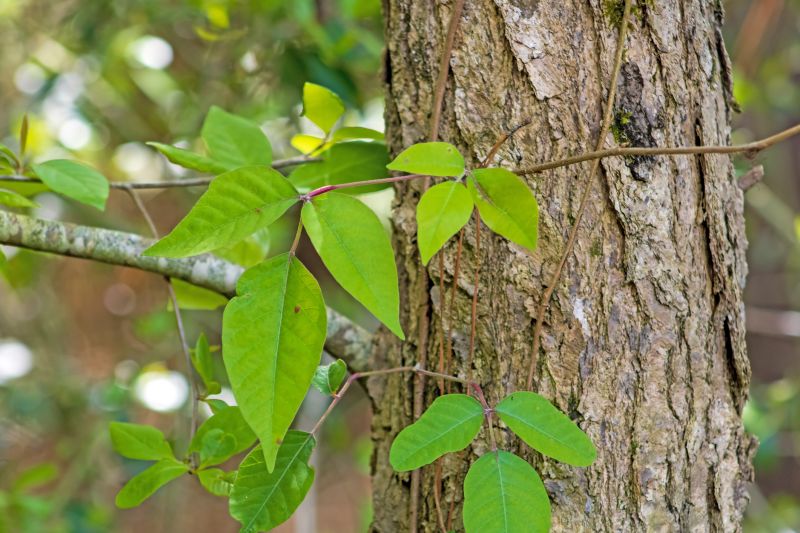
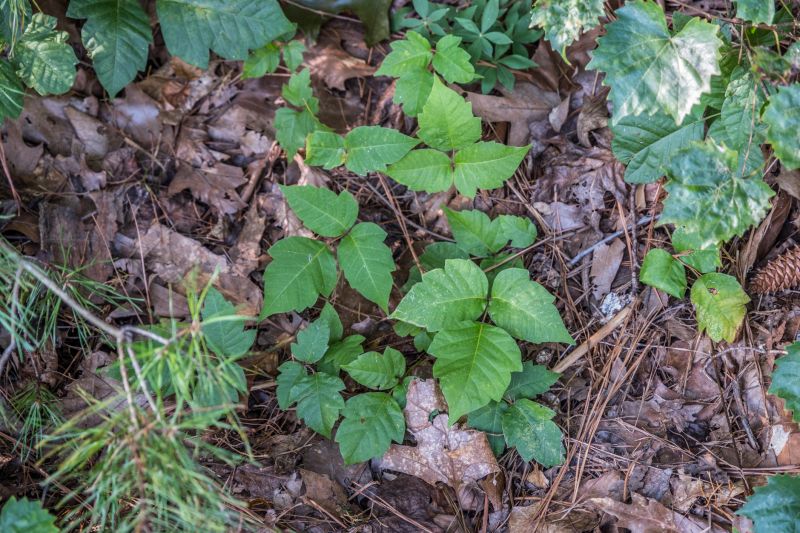
You may need hemlock removal if the trees show signs of disease or damage.
Reasons For Hemlock Removal
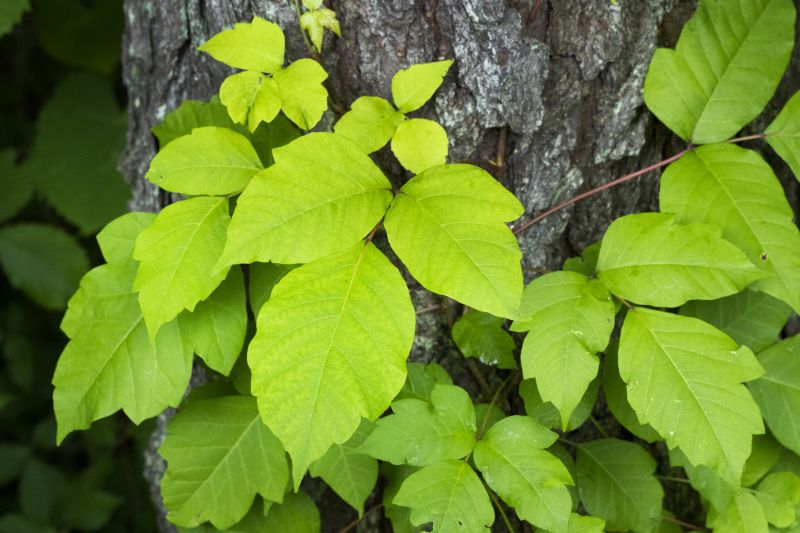
Removing hemlocks can prevent the spread of pests and protect surrounding plants.
Hemlock Removal in Wilmington, DE
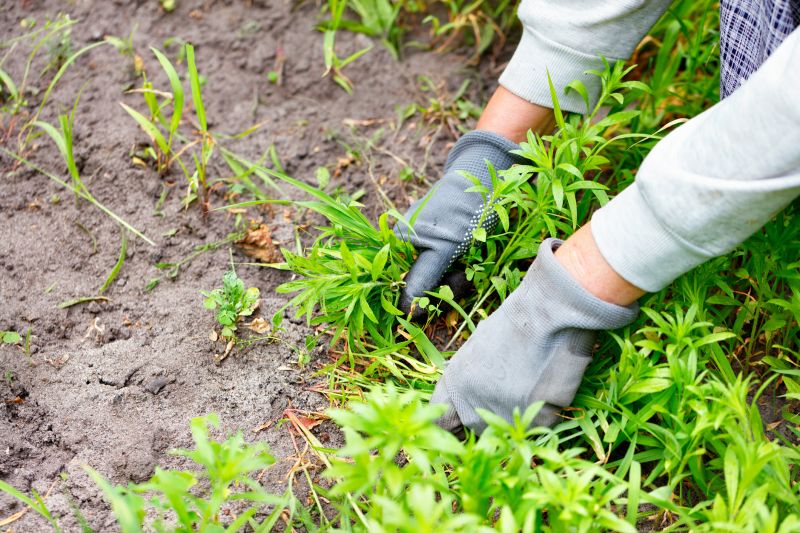
Hemlock removal services involve the careful elimination of hemlock trees that may pose safety risks, interfere with property development, or negatively impact the landscape. These services typically cover projects such as removing hazardous or unwanted hemlocks, clearing space for new landscaping, or managing overgrown trees that could threaten structures or power lines. Property owners should consider factors like the size and location of the trees, potential impacts on surrounding vegetation, and any local regulations or permits required before requesting this service.
Homeowners interested in hemlock removal often want to understand the scope of work involved, including the methods used for safe and efficient removal, as well as any cleanup or disposal processes. It is also helpful to know if the service can accommodate specific project needs, such as partial removal or stump grinding, and to clarify any concerns about property safety or landscape preservation. Gathering this information can ensure the project aligns with the property’s needs and future plans.
Many property owners in Wilmington, DE look into Hemlock Removal for repairs, replacements, upgrades, and appearance-related improvements.
Common Hemlock Removal Jobs
Hemlock removal involves safely removing these invasive trees to protect surrounding vegetation.
Stump grinding clears remaining stumps to prevent regrowth and maintain landscape appearance.
Invasive tree removal targets non-native hemlocks that threaten native plant health.
Property clearing involves removing hemlocks to open up space for landscaping or development.
Tree health assessment identifies hemlocks at risk of falling or disease before removal.
Selective removal services focus on removing specific hemlocks without disturbing nearby trees.
Hemlock Removal Questions
Why should Hemlock trees be removed? Hemlock trees may be removed to prevent disease spread, reduce safety hazards, or improve landscape aesthetics.
What signs indicate a Hemlock tree needs removal? Signs include widespread browning, dead branches, or visible damage to the tree structure.
Is Hemlock removal necessary for safety? Yes, removal can eliminate risks posed by falling branches or unstable trees during storms.
What are common reasons for removing Hemlocks? Common reasons include disease, pest infestation, storm damage, or to clear space for other landscaping plans.
Request Hemlock Removal in Wilmington, DE
Use the quote form on this page to share the basics of your project and request more information for the type of work you need.